
Windrush Survivors Speak Out: "We Lost Our Homes, But We Must Not Lose Our Voices"
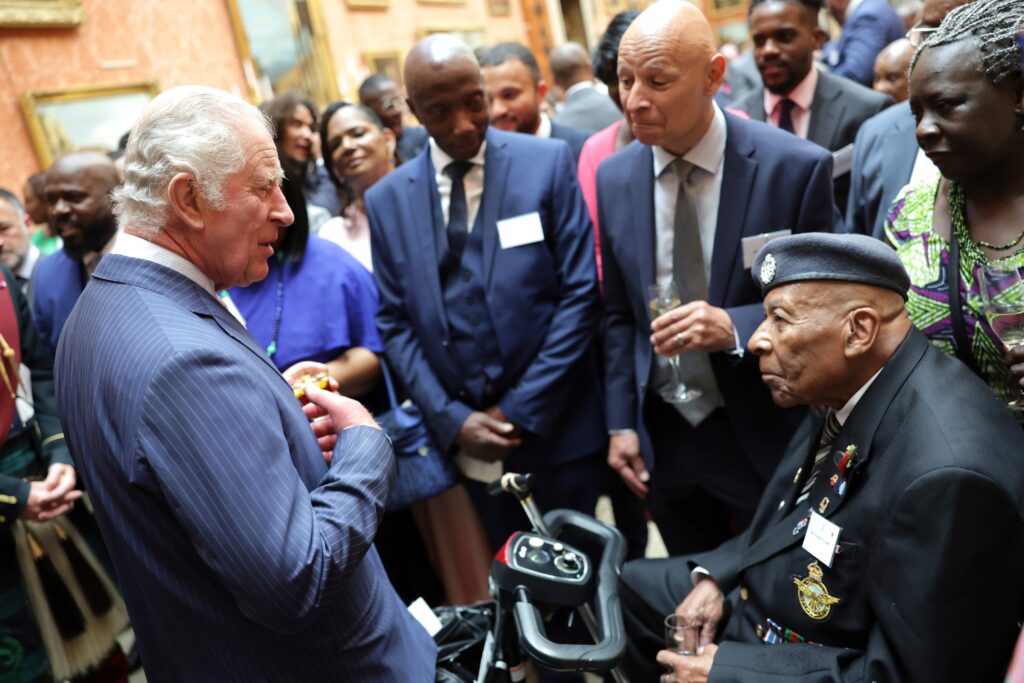
King Charles talking to a Windrush veteran.
For many people, a home is more than four walls and a roof. It is safety, family, memories and a place to belong.
But for some members of the Windrush Generation, that sense of security has been taken away.
A new report by the Black Equity Organisation (BEO), titled “Homes Lost, Lives Shattered”, shines a light on a painful part of the Windrush scandal that has been overlooked – the loss of homes and housing security.
The Windrush Generation refers to people who came to the United Kingdom from the Caribbean and other Commonwealth countries between 1948 and 1971. Many were invited to help rebuild Britain after the Second World War. They worked in hospitals, schools, transport services and factories. They paid taxes, raised families and helped shape modern Britain.
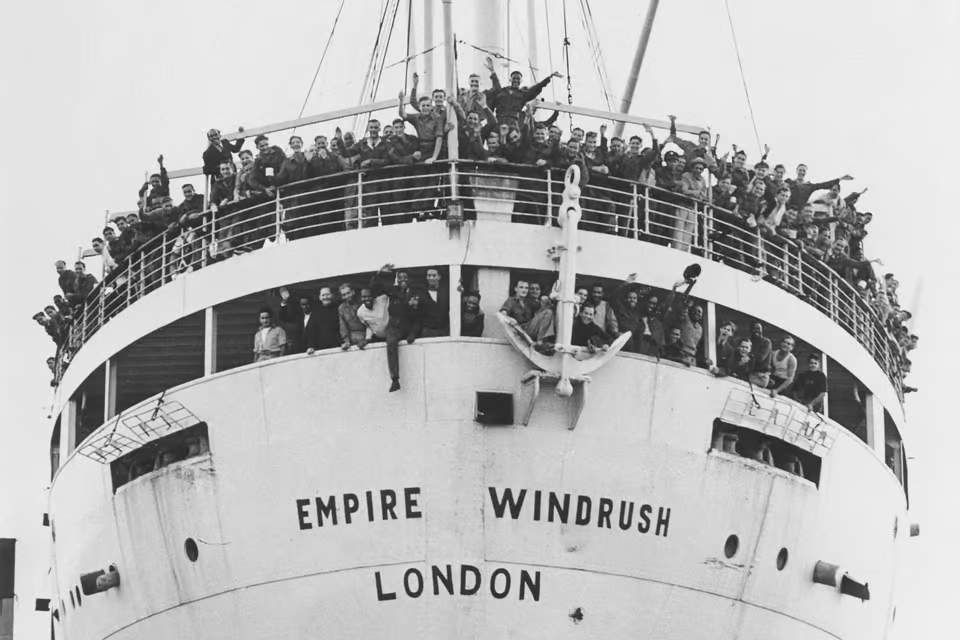
However, decades later, many of these same people were wrongly treated as if they had no right to live in the country they had called home for most of their lives.
Some lost their jobs because they could not prove their immigration status. Others stopped receiving the benefits they depended on. Without income, some people could no longer pay their rent or mortgages.
The result was devastating.
Families faced eviction. Some had their homes repossessed. Others experienced homelessness, instability and years of uncertainty.
The Black Equity Organisation says little has been done to understand the true extent of this housing crisis among Windrush survivors. Its research aims to gather evidence and encourage more people affected by the scandal to come forward and seek the support and compensation they deserve.
The organisation is particularly concerned that people from African Commonwealth countries may not be claiming compensation because they are unaware that they may qualify for help.
Beyond financial loss, the impact has been emotional and lasting.
According to the report, losing a home affected people’s health, employment opportunities, education and family relationships. Many survivors spoke of losing their identity, dignity and sense of belonging. Housing insecurity created problems that stretched across generations.
Despite the pain, campaigners say this is also a story of resilience.
Survivors continue to fight for justice, recognition and meaningful change. They want future generations to understand what happened and ensure that no community experiences such treatment again.
As Britain prepares to mark another Windrush Day, this report serves as an important reminder.
The Windrush story is not only about the contributions made by those who came to build this country. It is also about listening to those who have suffered injustice, learning from the past, and ensuring that fairness, dignity, and humanity remain at the heart of society.
For the survivors who lost so much, justice is not only about compensation.
It is about being seen, being heard, and finally being treated with the respect they have always deserved.
Related Articles

Scotland-wide search launched to find the next generation of African music talent
New Research Exposes Barriers Facing Racialised Creatives Across Scotland