
Beyond Identity: Barack Obama’s Reflections Challenge the Global Black Community to Build the Future
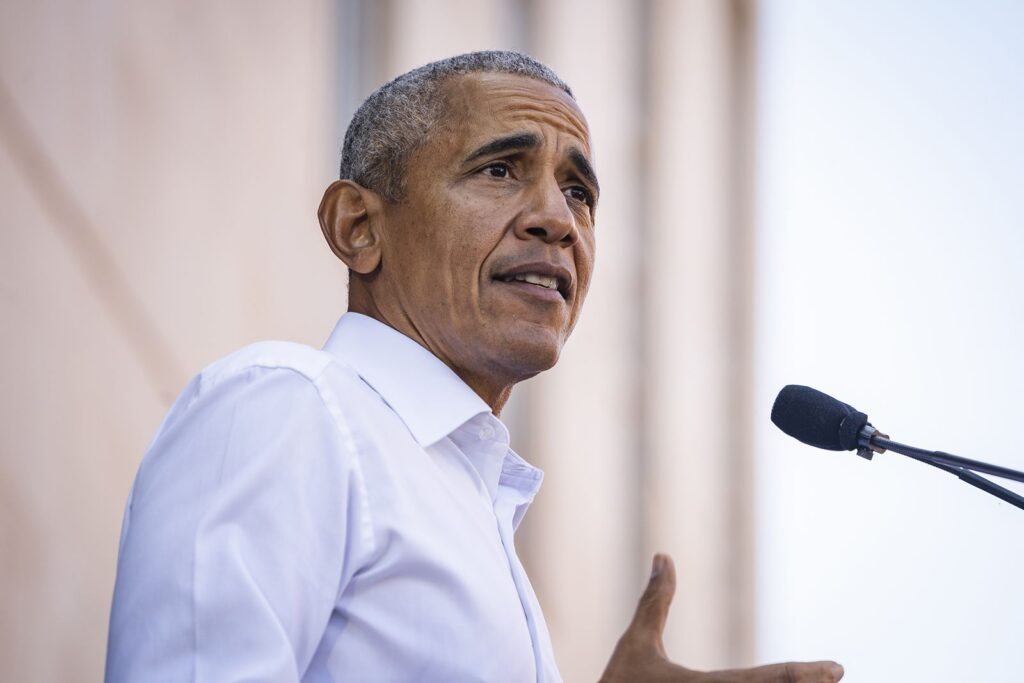
When former US President Barack Obama first took his wife, Michelle Obama, to visit his grandmother’s village in Kenya, some relatives reportedly asked a surprising question: which one of Michelle’s parents was white?
For many people in the United States, Michelle Obama is unquestionably recognised as a Black woman. Yet in rural Kenya, she was viewed differently. The contrast highlights an important reality: identity is often shaped not only by appearance, but by history, culture and lived experience.
Across the African diaspora, communities have followed different historical journeys. Africans, African Americans, Caribbean people, Black Europeans and Afro-Latin Americans have all developed distinct identities influenced by slavery, colonialism, migration and social change. As a result, conversations about race and belonging can sometimes become complicated because people are speaking from different historical experiences while discussing the same subject.
However, Obama’s reflections went beyond race. Speaking about life after leaving the White House, he suggested that there are “millions of Baracks and Michelle’s” around the world. The real challenge, he argued, is not the lack of talented people but ensuring they receive the opportunities, mentorship, exposure and support needed to fulfil their potential.
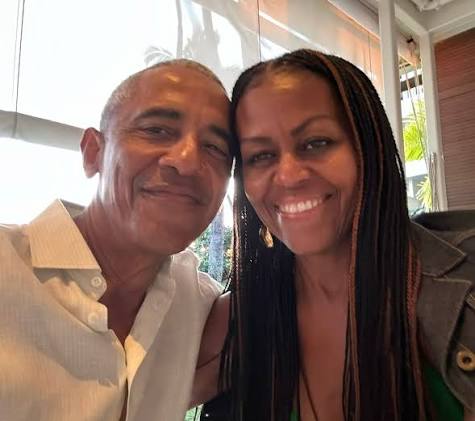
That message shifts the conversation away from debating who is “Black enough” or who belongs. Instead, it asks a more practical question: how can the global Black community build stronger institutions that consistently identify, nurture and empower future leaders?
Imagine young entrepreneurs in Lagos connecting easily with investors in New York, students in Kingston receiving mentorship from business leaders in London, or researchers in Ghana, Brazil, South Africa and the United States collaborating on shared solutions. Such connections could unlock enormous talent that already exists across the diaspora.
Rather than allowing geography to limit opportunity, stronger networks and institutions could help create a truly connected global community built on shared success.
The discussion begins with identity, but it should not end there. The greater challenge may be creating lasting systems that give future generations every opportunity to thrive.
What do you think? Has the global Black community spent too much time debating identity and not enough time building the institutions that can shape its collective future?