
John Swinney Begins Major Reform as Scotland Faces Budget Pressure
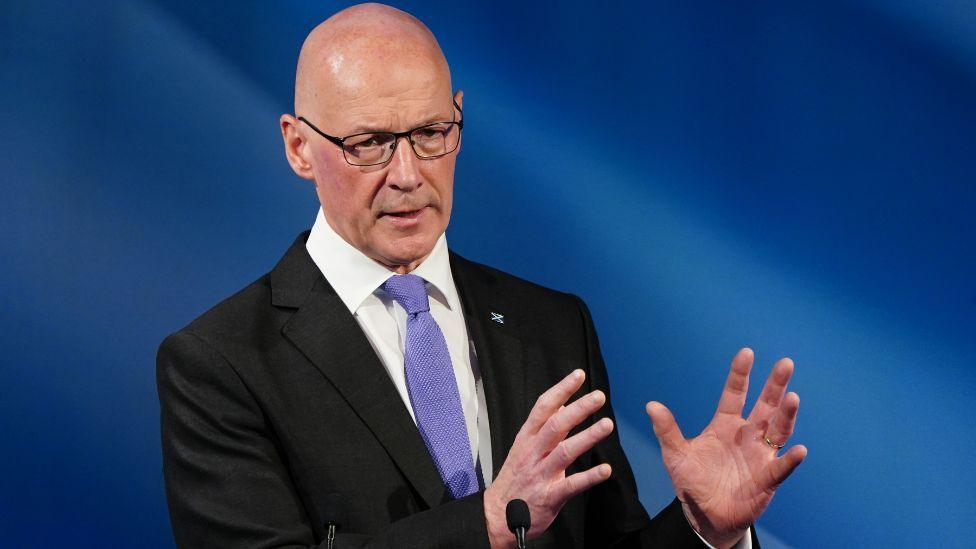
First Minister of Scotland, John Sweeney
There is an old rule in politics and business: if a leader wants to weaken a powerful rival, they do not remove them. Instead, they give them a difficult job, place them under public pressure, and allow the results to decide what happens next.
That idea now appears to be shaping major changes inside the Scottish Government.
John Swinney recently won an election that many people believed would be difficult for him. Although he secured victory, his party also recorded its worst election result since 2007. This means he has authority, but also serious pressure to deliver change quickly.
Stephen Flynn has now been given responsibility for Scotland’s economy, transport, and tourism. He will become the public face of Scotland’s economic performance at a time when economic growth has remained weak for many years.
At the same time, Ivan McKee has been handed responsibility for public service reform. While Flynn will face public questions and media attention, McKee is expected to make major changes inside government systems and public agencies.
The Scottish Government has already sent a formal letter calling for 50% budget reductions across parts of the civil service. These cuts are linked to a reported £1.4 billion financial gap facing Scotland.
Several major public agencies may also face restructuring or mergers, including Scottish Enterprise, Highlands and Islands Enterprise, South of Scotland Enterprise, and Skills Development Scotland. The government believes there is too much duplication and that current systems are not delivering enough economic growth.
McKee has also publicly suggested that some civil servants have slowed down government reforms in recent years. The new budget cuts are now being seen as a way to force deeper change across the public sector.
Critics say Scotland’s economic system focused too heavily on reports, meetings, and programmes instead of measurable results.
Before 2007, Scotland’s economic growth averaged around 1.8% each year. Between 2016 and 2019, that figure dropped to around 0.3%.
Supporters of reform believe smaller, targeted investments at community level may achieve better results than large systems with high administration costs.
The coming months will show whether Swinney’s government can successfully reform Scotland’s public and economic system while facing growing political and financial pressure.
Related Articles

Scotland-wide search launched to find the next generation of African music talent
New Research Exposes Barriers Facing Racialised Creatives Across Scotland