
Africa’s World Cup Breakthrough: Did African Brands Miss Their Biggest Marketing Moment?
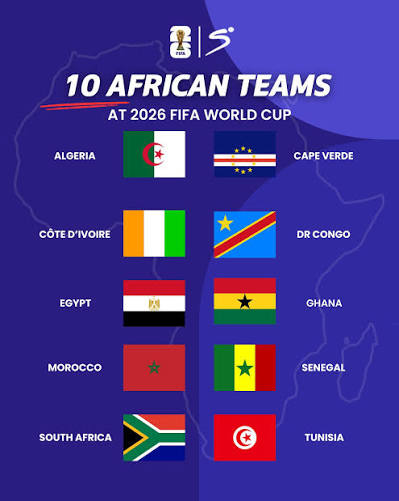
Africa’s remarkable performance at the 2026 FIFA World Cup may prove to be one of the continent’s biggest business stories, not just one of its greatest sporting achievements.
For the first time in World Cup history, nine of Africa’s ten representatives progressed to the Round of 32, signalling the growing competitiveness of African football on the global stage. Beyond the celebrations, however, the tournament also created one of the largest shared consumer moments the continent has experienced in years, presenting a rare opportunity for businesses to connect with millions of emotionally engaged consumers.
The FIFA World Cup is far more than a football tournament. It is one of the world’s largest attention economies, attracting billions of viewers and generating huge investment from global brands through sponsorships, advertising and digital campaigns. Every match sparks conversations across homes, workplaces, restaurants and social media, creating an environment where consumer attention is at its highest.
Each African victory extended that attention even further. Every team reaching the knockout stages generated another cycle of television broadcasts, newspaper headlines, online discussions and national celebrations.
Collectively, those additional matches created hundreds of millions of television impressions across Africa, with total exposure likely exceeding one billion cumulative impressions once streaming, radio, social media and online news are included.
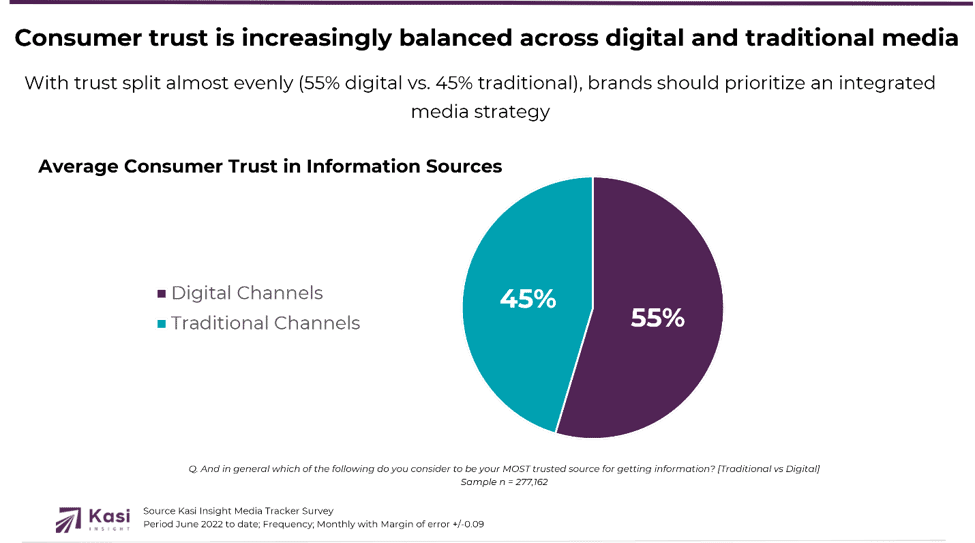
Marketing analysts estimate that such levels of attention could represent millions of dollars in equivalent advertising value, even before accounting for the longer-term impact on consumer engagement and brand recognition.
Some industries were naturally positioned to benefit. Telecommunications companies experienced increased demand for video streaming, messaging and social media activity as fans followed their teams. Breweries also enjoyed the boost that accompanies football celebrations, while airlines such as Morocco’s national carrier demonstrated how sporting success can strengthen a country’s global image and tourism appeal. International sportswear manufacturers similarly benefited from the visibility of players wearing their brands throughout the tournament.
However, many observers believe African financial institutions, retailers, insurers and consumer brands failed to capitalise on the excitement.
Banks, for example, could have introduced match-day promotions, waived transfer fees after national victories, rewarded customers with cashback offers or launched savings campaigns linked to their countries’ progress. Such initiatives would have connected financial services with one of the most emotionally powerful events on the continent’s calendar.
Instead, many businesses continued with routine marketing campaigns, missing the opportunity to become part of conversations that united millions of Africans at home and across the diaspora.
The tournament also highlighted an opportunity for African media.
Coverage understandably focused on match results, tactics and player performances, yet every victory also carried economic implications. Major sporting events influence consumer confidence, retail spending, tourism interest, digital engagement and advertising effectiveness. These wider business impacts deserve greater attention alongside the sporting narrative.
Marketing experts are increasingly encouraging businesses to measure what some describe as “Return on Emotion”, evaluating how effectively brands convert shared emotional experiences into stronger customer loyalty, engagement and commercial success.
Africa’s success at the World Cup represents more than football. It reflects growing confidence, investment in talent and the continent’s ability to compete on the global stage.
For African businesses, the lesson is equally clear: in an economy where attention is one of the world’s most valuable assets, the brands that win will be those that share in the moments that matter most to their customers.
Related Articles

Scotland-wide search launched to find the next generation of African music talent

New Research Exposes Barriers Facing Racialised Creatives Across Scotland