
Glasgow residents back safer streets as confidence in walking and cycling grows
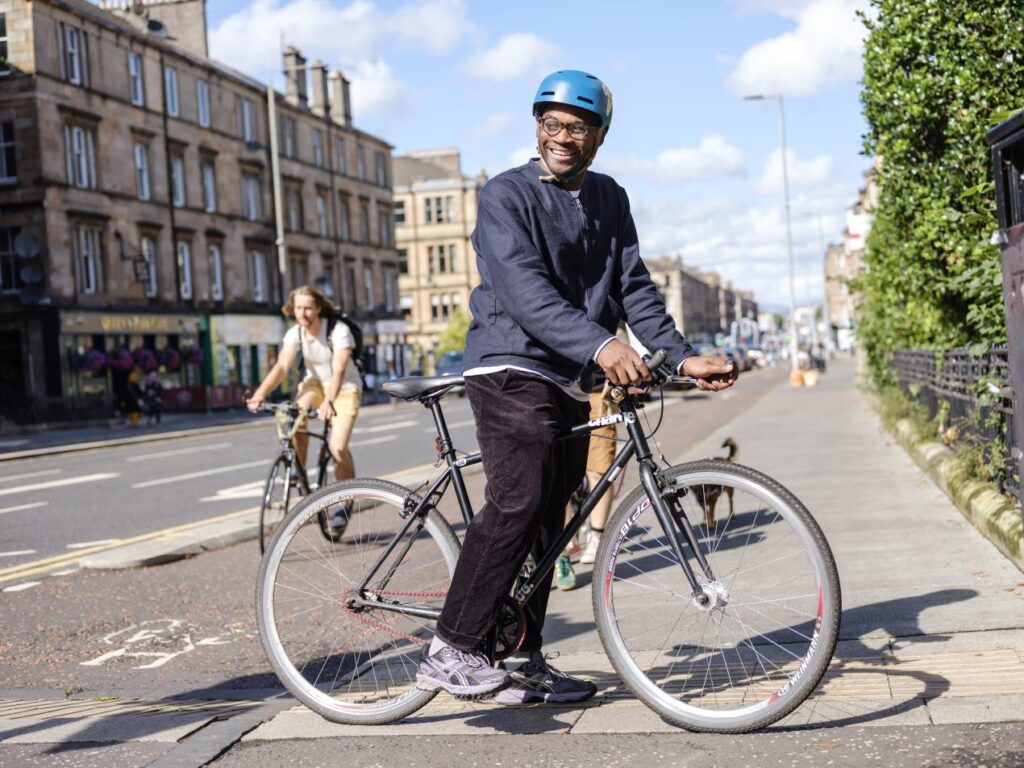
More people in Glasgow are feeling confident about walking, wheeling and cycling in their local communities, according to the Glasgow Walking and Cycling Index 2025, which highlights growing public support for safer streets and better active travel infrastructure.
The latest report, produced by the Walk Wheel Cycle Trust in partnership with Glasgow City Council, surveyed 1,181 residents aged 16 and over between March and June 2025. It found that 93% of people walk or wheel as part of their everyday travel, with more than half doing so at least five days a week.
Confidence in local streets has improved since the previous report in 2023. Around 71% of residents now say it is safe to walk or wheel in their neighbourhood, while almost half believe it is safe to cycle locally. Encouragingly, confidence has also increased among women, disabled people and parents.
The findings reveal strong public backing for further investment in active travel. More than one in four people who do not currently cycle said they would like to if safer routes were available. Nearly half of adults already have access to a bicycle, suggesting there is significant potential for more cycling across the city.
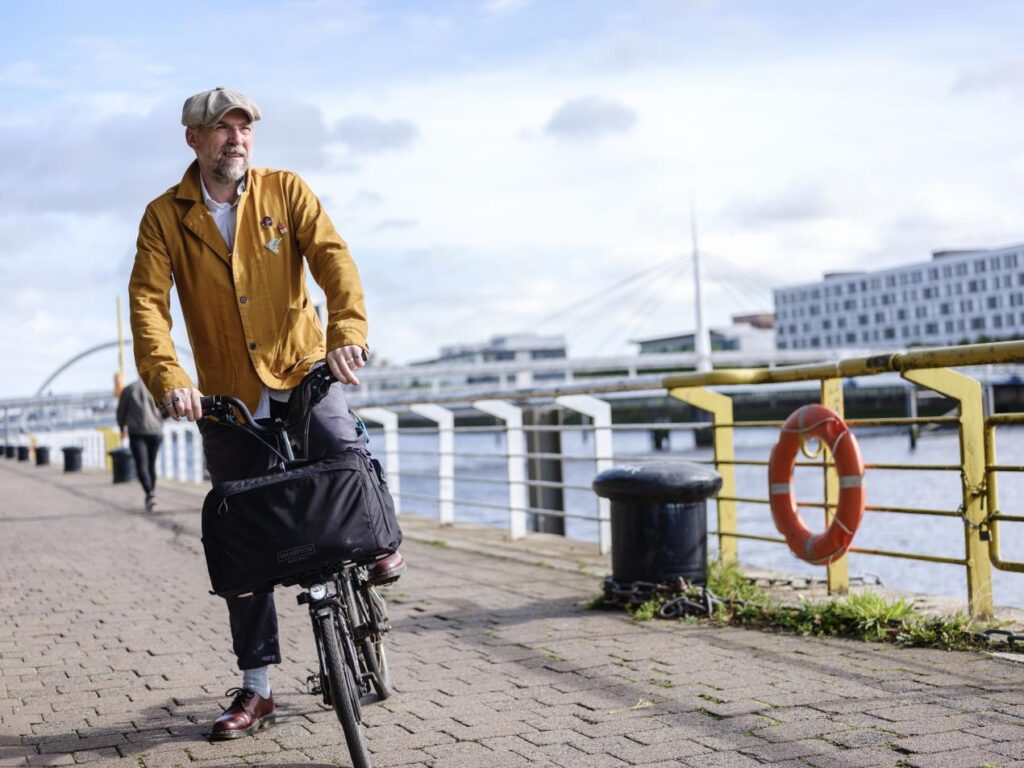
Support for safer neighbourhoods remains high. Around 71% of residents favour safer school streets with protected cycle paths and improved pedestrian crossings, while 61% support 20mph speed limits on local roads. Two-thirds said more traffic-free cycling routes would encourage them to cycle, and many also want better links between cycling and public transport, including secure cycle parking at stations and bus stops.
City Convener for Transport and Climate, Councillor Angus Millar, said the findings reflect the impact of sustained investment in active travel infrastructure across Glasgow. He pointed to major projects such as the Govan–Partick Bridge, increased cycling on the East City Way, and ongoing improvements through the city’s Avenues programme.
The report also highlights wider benefits. Walking, wheeling and cycling are estimated to prevent more than 1,400 long-term health conditions each year, contribute over £565 million to Glasgow’s economy and reduce greenhouse gas emissions by around 30,000 tonnes annually.
With more infrastructure projects planned, the findings suggest Glasgow residents are increasingly embracing healthier, safer and more sustainable ways to travel.
Related Articles

Scotland-wide search launched to find the next generation of African music talent

New Research Exposes Barriers Facing Racialised Creatives Across Scotland