
Mauritius’ Highest Court Strikes Down Colonial-Era Ban on Gay Sex, Embracing Indigenous Values
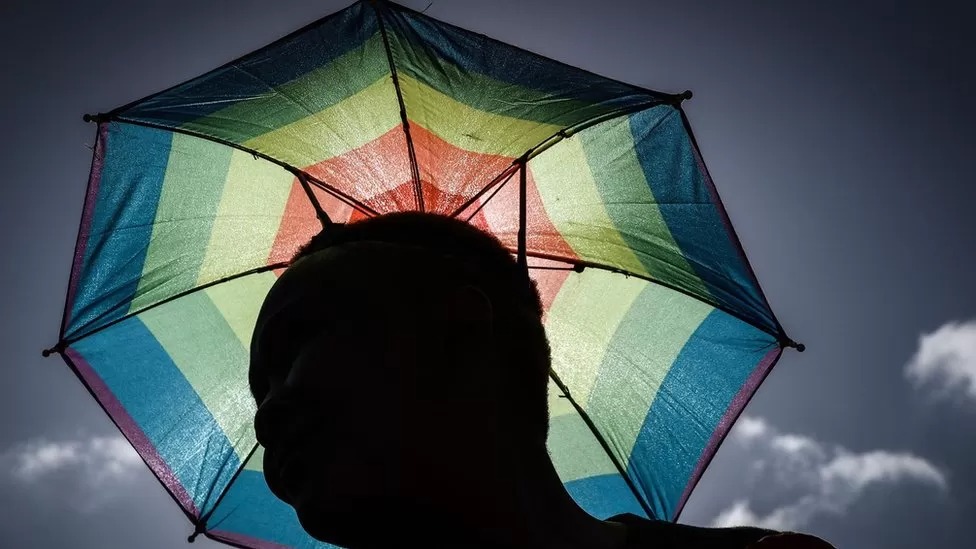
Mauritius’ highest court has delivered a groundbreaking ruling, decriminalising gay sex and affirming that the ban stemmed from colonial-era influence rather than reflecting indigenous Mauritian values.
The origins of the ban can be traced back to 1898 when British colonialists first criminalised “sodomy.” However, the law has not been enforced in recent years. In response to the court’s decision, the gay man who initiated the case expressed his newfound freedom to love without fear, stating, “I am now free to love whoever I want to without fear.”
This landmark ruling arrives during a period of increasing homophobia and the implementation of stricter anti-gay laws in some African nations. Notably, Uganda’s President Yoweri Museveni signed a controversial Anti-Homosexuality law in May, which imposed the death penalty for “aggravated homosexuality,” including sex with children or rape. Many individuals in Uganda and other African countries argue that homosexuality is “un-African” and contradicts their religious beliefs.
Abdool Ridwan Firaas Ah Seek, the individual who brought the case in Mauritius, argued that the “offence of sodomy” violated his fundamental rights, including the right to liberty. The Supreme Court agreed, stating that the law did not reflect indigenous Mauritian values but was instead a vestige of the country’s colonial history imposed by British rule on Mauritius and other colonies.
While the ruling ensures that people can no longer be arrested for engaging in gay sex, parliamentary action is required to officially legalise it by repealing the law.
Mauritius gained independence in 1968, but the ban on gay sex remained intact, facing strong opposition from religious groups. Abdool Ridwan Firaas Ah Seek expressed hope that the ruling would empower future generations in Mauritius to embrace their sexuality freely without the fear of arrest.
The Human Dignity Trust (HDT), an organisation advocating for the rights of LGBT people, hailed the ruling as the end of over a century of state-sanctioned stigma against the LGBT community in Mauritius. The HDT further emphasised that the ruling should serve as a message to other African countries that still criminalise same-sex relations, urging them to abolish such laws.
Although the law in Mauritius currently imposes a prison sentence of up to five years for gay sex, it is considered largely obsolete in practice, according to the HDT.
Globally, there are 64 countries that criminalise homosexuality, with nearly half of them located in Africa.
Source: Reuters
Related Articles

Scotland-wide search launched to find the next generation of African music talent

New Research Exposes Barriers Facing Racialised Creatives Across Scotland