
Scottish independence is alive and kicking

Councillor Fatima Joji: SNP candidate for Parliament to represent Aberdeenshire West, believes in an independent Scotland. Creator: Adele Merson Credit: Supplied by Fatima Joji. Copyright: Fatima Joji
Listening to BBC Radio Scotland’s phone-in morning show, which attracted an overwhelmingly pro-independence callers, was an illustration of how Scottish voters still have a significant appetite for independence.
On Thursday, May 7th, Scottish voters will vote on the composition of their country’s parliament for the next five years. The ruling Scottish National Party (SNP) is less popular than it was and may again fall short of a majority, partly due to voter fatigue. But it will probably enter a third decade in power, according to polling firm More In Common.
More intriguing will be the contest for second place. Support for Labour has plunged. The Conservatives are in the doldrums. The Liberal Democrats and Green Party may win a few extra seats. But Reform UK is expected to become the second-largest party in Scotland. Hugh McAdams, a retired taxi driver, reckons illegal immigration is the country’s biggest issue. He likes Reform’s policies, but not its politicians. Of Malcolm Offord, the party’s leader in Scotland, Mr McAdams says: “I wouldn’t trust him with my goldfish.”
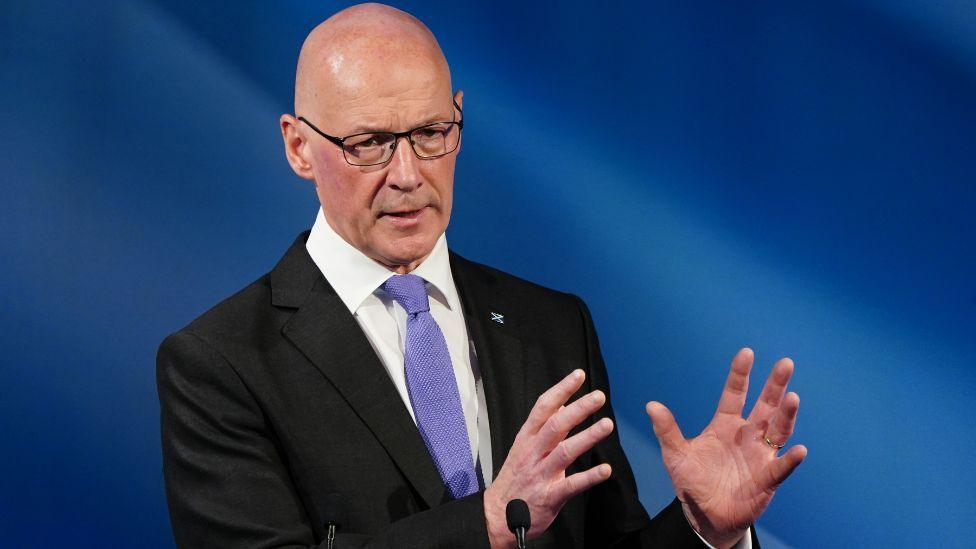
John Swinney (pictured), Scotland’s first minister, has also ruled out working with Reform. By fragmenting the opposition, the right-wing populists may have done him a favour. But the popularity of a unionist party suggests Scots’ appetite for independence may be smaller than Mr Swinney would like.
Polls say Scots are split on independence. Sophie McColligan is voting for the first time in May. The 16-year-old student says she would like Scotland to leave the United Kingdom. Mr Swinney wants another independence vote by 2028.
The prospect of indyref2, however, is distant. The power to let Scotland hold such a vote lies with politicians in London.
The government in Westminster allowed a “once-in-a-generation” referendum in 2014, in which Scots voted to stay in the union. In 2022, the SNP asked the Supreme Court if Scotland could bypass London’s consent. The answer was no.
Today, the Labour government is unequivocal. Absolutely not, says Wes Streeting, the health secretary. Sir Keir Starmer agrees. The prime minister has called the question of Scottish independence a “distraction” from the SNP’s record.
Polling by YouGov suggests their priority is the economy. The state of the NHS comes next. Independence ranks sixth.
This election will not decide Scotland’s constitutional future, argues Nicola McEwen of the University of Glasgow.
After a majority of Scots said no to independence, the Scotland Act of 2016 devolved more powers from Westminster. Gradual devolution may be a more pragmatic, if slower, path for Scots keen on greater autonomy. But no party is championing that middle ground, says Professor McEwen.
Scotland’s boldest separatists have lost an outlet. The Alba Party folded in March. Alex Salmond, the first minister who championed the 2014 referendum, died in 2024. Alba struggled without him at the helm. A chunk of the party’s voters may see the SNP as the best chance of breaking up Britain. This could help extend Mr Swinney’s time at the top of Scottish politics.
If constitutional change will not come from within Scotland, perhaps it could be inspired by events elsewhere. The Northern Irish first minister has said her country should hold a referendum on a united Ireland by 2030.
Plaid Cymru, Wales’s nationalist outfit, says it would not pursue independence in its first term, but does not rule out doing so thereafter. Brexit boosted support for independence in Scotland. The government in Westminster is deeply unpopular. The number of Scots in favour of self-government may yet grow.
Related Articles
Scotland-wide search launched to find the next generation of African music talent
New Research Exposes Barriers Facing Racialised Creatives Across Scotland