Journalists Arrested and Tear Gas Used as Protests Against Censorship Erupt in Guinea

Journalists Arrested And Tear Gas Used As Protests Against Censorship Erupt In Guinea

In a disturbing turn of events, Guinean security forces apprehended a minimum of 12 journalists on Monday during a demonstration against censorship. Tear gas was deployed to disperse the protest, as confirmed by organisers and local media sources.

The Private Press Union of Guinea (SPPG) had organised a march in the capital city of Conakry, demanding that authorities lift the restrictions imposed on the popular news site Guinee Matin. Since August, the news site has only been accessible within Guinea using a Virtual Private Network (VPN). In response, Reporters Without Borders has created a mirror site to enable Guineans to access the news content from within the country.

The ruling junta, which seized power in September 2021, has not provided any explanation for the blockage of Guinee Matin. Despite the lack of transparency, the SPPG had planned to assemble at the port’s roundabout to voice their concerns. However, Abdouramane Diallo, an SPPG official, reported that mixed police and gendarmerie forces deployed tear gas against the demonstrators, resulting in minor injuries to one journalist.

Among the dozen journalists arrested was the secretary-general of the SPPG. Although they were released in the evening, they are expected to appear in court next week, according to their lawyer, Salifou Beavogui. The ruling junta has prohibited protests since 2022, further exacerbating the deteriorating situation for press freedom in Guinea.

Four press associations issued a joint statement condemning the unwarranted violence against the journalists and demanding their immediate and unconditional release. The statement also called upon the national and international community to take notice of the alarming decline in freedom of expression and democracy within Guinea.

The incident has drawn widespread condemnation from human rights organisations and media advocates, who are deeply concerned about the escalating suppression of journalists and the erosion of fundamental rights in Guinea. As calls for justice and the restoration of press freedom grow louder, the international community is urged to closely monitor the situation and exert pressure on the Guinean authorities to uphold democratic principles and protect the rights of journalists to report without fear of reprisal.

The clash between journalists and security forces highlights the urgent need for a robust and independent press that can hold those in power accountable, fostering a society built on transparency and freedom of expression. The fate of press freedom in Guinea now hangs in the balance as the world waits to see how this crackdown on journalists will unfold and what it signifies for the nation’s democratic future.

Jamaica Considers Tough Sanctions for Death Threats as Domestic Disputes Turn Deadly

Jamaica Considers Tough Sanctions For Death Threats As Domestic Disputes Turn Deadly

In a bid to combat the rising number of deadly incidents resulting from domestic disputes, Jamaican Prime Minister Andrew Holness announced that his administration is contemplating the introduction of legislation to impose severe sanctions on individuals who threaten others with death. Speaking at a meeting with Jamaica Labour Party supporters in Clarendon, Mr. Holness expressed concern over the deteriorating morality of society, emphasising the need for action to address the alarming trend.

The Prime Minister highlighted the troubling nature of recent murders and questioned the ethical compass of the nation. He noted that the police cannot be omnipresent and that it is nearly impossible for them to preemptively intervene in cases where individuals are plotting heinous crimes related to private domestic issues. Mr. Holness stressed that family disputes over land and disagreements between intimate partners have taken a sinister turn, leading to conspiracies and the hiring of assailants to carry out acts of violence.

Statistics indicate a shift in the profile of murders, with gang-related incidents decreasing while domestic and intimate partner-related homicides are on the rise. Expressing his concern, Mr. Holness informed the Police Commissioner and the National Security Minister of the government’s intent to introduce punitive measures against those suspected of engaging in violent behaviour.

To combat this disturbing trend, the Prime Minister proposed increasing reporting obligations for individuals who have been previously cautioned or detained for violent behaviour or threats. He argued that by allowing threats of violence to go unanswered, the likelihood of actual violence occurring escalates. As part of the government’s strategy, the existing laws concerning threats and the obligation to report any instance of violence or threats will be thoroughly reviewed.

The proposed legislation aims to send a clear message that Jamaica will not tolerate threats or acts of violence, especially within the context of domestic disputes. The government’s commitment to protecting its citizens and upholding the rule of law underscores the urgency of addressing this pressing issue. By imposing tough sanctions on offenders, the administration hopes to deter potential perpetrators and create a safer environment for all Jamaicans.

Prime Minister Holness’s announcement has been met with support from various sectors of society, with citizens and advocacy groups recognising the importance of addressing the root causes of domestic violence and implementing effective measures to prevent tragic outcomes. As the proposal moves forward, it is expected that consultations will be held with relevant stakeholders to ensure that the legislation strikes an appropriate balance between safeguarding individuals and respecting civil liberties.

The government’s proactive approach in tackling the rise of violence within domestic disputes showcases its commitment to fostering a secure and harmonious society. With the potential legislative changes on the horizon, Jamaica aims to send a resolute message that threats and violence will not be tolerated, ultimately working towards a safer future for all its citizens.


Source: Radio Jamaica News

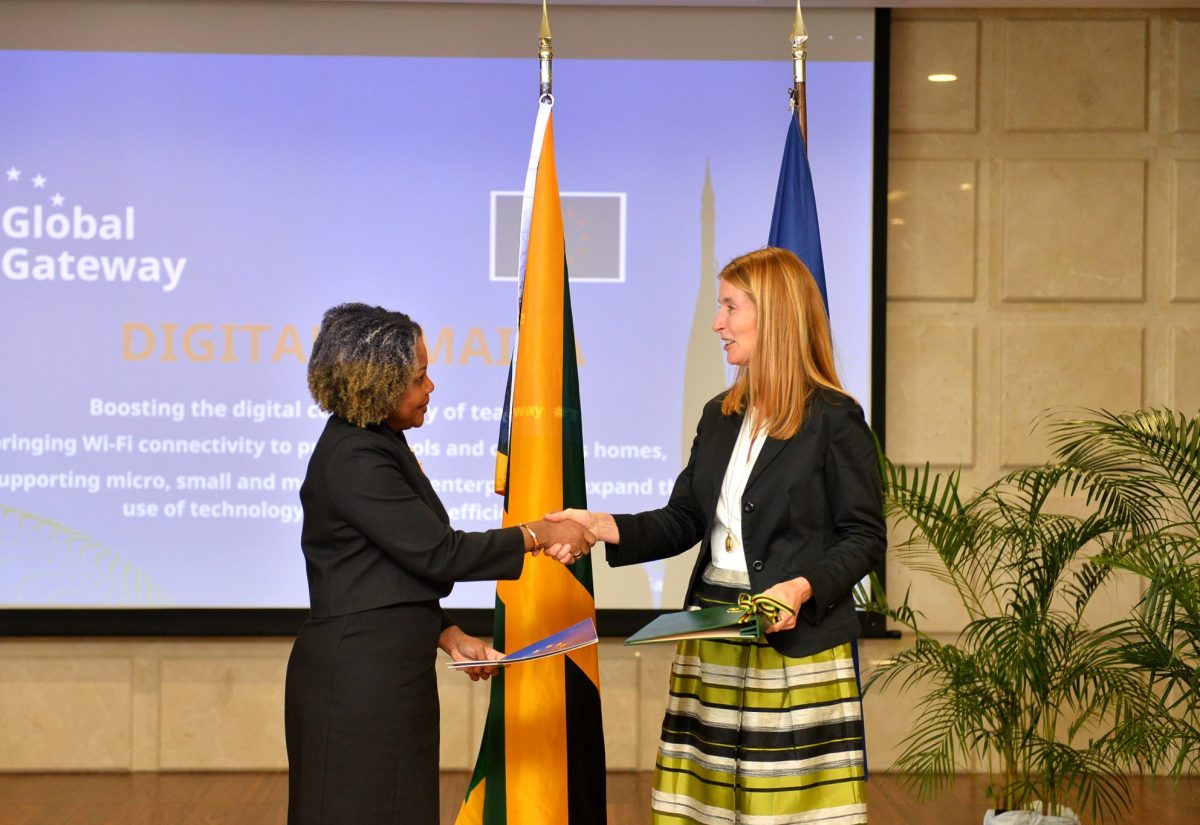
Jamaica and European Union Launch “Digital Jamaica” Program to Accelerate Digital Transformation

On October 10, the Government of Jamaica, in collaboration with the European Union (EU), unveiled the Digital Jamaica program, a €9.5 million initiative aimed at expanding access to and utilisation of information and communications technologies (ICT) to facilitate the country’s transition to a digital economy and society.

Implemented by the Office of the Prime Minister (OPM), the Ministry of Education and Youth, and the Ministry of Industry, Investment and Commerce, Digital Jamaica aims to connect Jamaicans through high-speed internet, establish Wi-Fi networks in schools, and provide digital skills training for students and teachers. The program will also extend support to micro, small, and medium-sized enterprises (MSMEs) in adopting technological solutions.

By leveraging digital tools, the program seeks to bridge the digital divide, equip young people with essential digital skills, and foster innovation and entrepreneurship. Senator Dr. the Hon. Dana Morris Dixon, Minister without Portfolio in the OPM with oversight for Skills and Digital Transformation, praised Digital Jamaica as a catalyst for change and development. She emphasised that the program’s objective is not only to revolutionise Jamaica’s technological landscape but also to empower citizens by improving access to information, promoting digital literacy, and stimulating innovation and entrepreneurship.

Jamaica and European Union Launch Digital Jamaica Program to Accelerate Digital Transformation (2)

Senator Morris Dixon highlighted the advantages of a digitally skilled population, which includes enhanced innovation, increased competitiveness on the global stage, and the attraction of more investors. She emphasised that digital empowerment is not a luxury but a necessity that bridges gaps and fosters inclusivity and equality.

Expressing gratitude to the EU for funding the initiative, Senator Morris Dixon characterised the program as a testament to the enduring partnership and collaborative spirit between nations.

Helena Konig, Deputy Secretary General for Economic and Global Affairs at the EU, emphasised that Digital Jamaica is the first concrete, grant-funded multi-sector program of support for Jamaica’s digital transformation agenda following the COVID-19 pandemic. The program will collaborate with the Ministry of Education and Youth to integrate Jamaica’s National ICT Competency Framework for Teachers into the curricula of all publicly funded teacher training institutions. This strategic focus on education is crucial for Jamaica’s goal of becoming a knowledge-based society with a digitally competent workforce.

Digital Jamaica will also facilitate collaboration between the OPM and the Ministry of Education and Youth to provide Wide Area Network (WAN) and Wi-Fi connectivity to over 1000 public schools, including children’s homes, reducing social vulnerability to the digital divide, especially among students in unserved and underserved areas.

Sancia Bennett Templer, Permanent Secretary in the Ministry of Industry, Investment and Commerce, disclosed that €1.7 million of the program’s budget will be allocated to the Jamaica Business Development Corporation (JBDC) to support the active participation of MSMEs in the digital transition. Given that MSMEs account for 60 to 70 percent of jobs in Jamaica, involving them in digital transitioning programs presents significant opportunities for widespread adoption of digital technologies, improving transactions, efficient goods delivery, access to financial services, and customer engagement.

To facilitate MSMEs’ digital transformation, the Ministry will provide training for the JBDC and business support services providers, enabling them to offer digital transformation training to MSMEs across the island.

Hon. Fayval Williams, Minister of Education and Youth, welcomed the Digital Jamaica program, recognising its alignment with the government’s efforts to enable citizens to develop new capabilities, ranging from basic digital literacy to advanced competencies in data science and coding. The program holds potential benefits for in-service teachers, trainee teachers, and aspiring educators, expanding career prospects for students in the technology field.

Digital Jamaica, the first bilateral EU Global Gateway Flagship Program in the Caribbean, aligns with the EU’s Global Gateway strategy, which aims to strengthen digital, energy, and transport sectors, as well as health, education, and research systems worldwide.

Malawi Government Launches Program to Provide Free Internet Access in Public Facilities

In an effort to address the issue of limited internet access despite affordable data plans, the Malawian government has initiated a program to offer free internet access in all public facilities. This move aims to alleviate the challenges faced by students in schools and healthcare professionals in public health facilities, among others.

Previously, the lack of universal internet access in Blantyre City, southern Malawi, had posed significant obstacles, particularly for students who struggled to access teaching and learning materials. However, with the implementation of the free internet project three months ago, public facilities, including schools, can now connect online at no cost, enabling seamless learning experiences for students.

Students at Chichiri secondary school expressed their satisfaction with the availability of free internet, highlighting how it has improved their understanding of lessons. They now have the opportunity to search for additional information and gain a clearer understanding of various topics.

Similarly, healthcare professionals at the Queen Elizabeth Central, a major referral hospital in Malawi, are grateful for the newfound access to the internet. They can now engage with medical specialists abroad, seeking guidance on administering new drugs and vaccines. Additionally, medical journals can be readily accessed and downloaded for professional use.

The government’s initiative aims to connect a wide range of public facilities, including schools, courts, police stations, prisons, hospitals, and markets, to the internet. Currently, approximately 500 public facilities are participating in the program, utilising Wi-Fi connectivity. The Digital Malawi Programme, implemented in collaboration with the World Bank, seeks to drive digital transformation across the country.

The success of this initiative heavily relies on ensuring minimal or no financial burden for users. At the beginning of 2023, 75% of Malawians did not use the internet, as indicated by Malawi’s 2023 digital report. The government hopes that this number will significantly decrease, empowering individuals from all walks of life.

Despite Malawi being the most affordable African country for data, with 1GB costing only $0.38 (€ 0.35) in 2023, many people still face barriers to online access. Limited access to hardware, such as smartphones, laptops, and computers, further exacerbates the issue. However, the government has yet to address this aspect of the problem.

With hundreds of public facilities already benefiting from free internet access, the Malawian government aims to expand the program and advocate for reduced data charges by mobile phone companies in the country. Malawi’s involvement in the Diplomatic Data Corridors project, along with neighbouring countries Zambia, Mozambique, Tanzania, and Namibia, aims to make internet access more affordable for all.

In summary, the government’s initiative to provide free internet access in public facilities is a significant step toward bridging the digital divide in Malawi. By facilitating improved educational opportunities and enhancing communication between healthcare professionals, this program aims to drive digital transformation and empower individuals across the country.


Source: DW

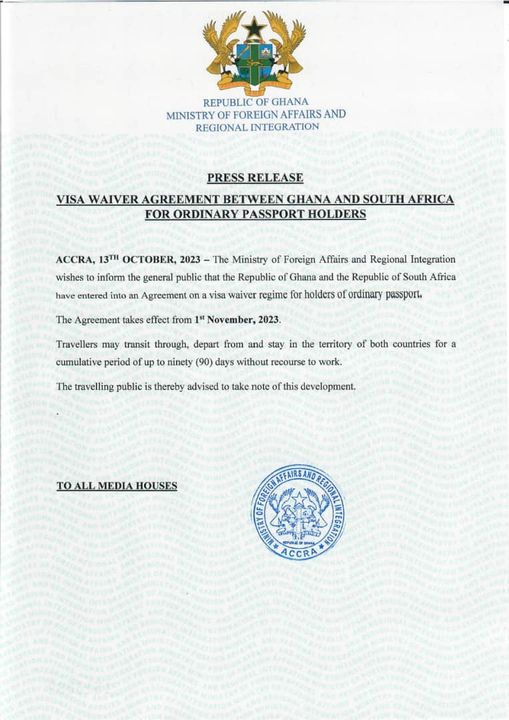
Ghana and South Africa Announce Visa-Free Travel for Ordinary Passport Holders

In a significant development, the governments of Ghana and South Africa have reached an agreement to implement a visa waiver regime for holders of ordinary passports. The Ministry of Foreign Affairs and Regional Integration in Ghana made this announcement in a statement released on Friday.

According to the statement, the visa waiver agreement between the two countries will come into effect on November 1, 2023. Under this agreement, travellers with ordinary passports will be able to transit through, depart from, and stay in both Ghana and South Africa for a maximum period of ninety (90) days without the need for a visa. However, it’s important to note that this arrangement does not permit individuals to engage in any form of employment during their stay.

The Ministry advised the travelling public to take note of this development, as it will greatly facilitate travel between the two countries and enhance the ease of movement for ordinary passport holders.

In a separate statement, the South African High Commission in Ghana clarified that after the 90-day stay, ordinary passport holders will be required to apply for a visa to enter South Africa. This means that individuals must adhere to the visa requirements once their permitted stay duration has expired.

This visa waiver agreement between Ghana and South Africa is expected to strengthen bilateral relations and promote tourism, business, and cultural exchanges between the two nations. It will provide greater convenience and flexibility for ordinary passport holders travelling for various purposes.

Both governments expressed their commitment to the successful implementation of this visa waiver regime, which will contribute to fostering closer ties and cooperation between Ghana and South Africa.

Ghana and South Africa Announce Visa-Free Travel for Ordinary Passport Holders (2)

The Herald & GenAnalytics Diversity Awards: Black Professionals Scotland Runner Up in Two Categories

Black Professional Scotland (BPS) emerged runner up in two categories at the Herald & GenAnalytics Diversity Awards which took place last night, Thursday 12th  October at the Double Tree Hotel in Glasgow.

The prestigious annual awards which recognises and celebrate the remarkable efforts of organisations and individuals dedicated to promoting diversity and inclusion in Scotland, saw Changing the Chemistry, an organisation with a profound mission to alter the dynamics in boardrooms, advocating for a more diverse range of voices won the Diversity in the Third or Charity Sector award, and The University of Glasgow scooped the Diversity Campaign of the Year for their anti-racism campaign based on genuine, lived experiences of their community members.

Although BPS was runner up in both competitive awards categories this year, demonstrate the simple fact that their impactful contributions in promoting diversity in Scotland’s corporate landscape is garnering recognition in the country’s mainstream.

The Herald Diversity Awards Black Professionals Scotland (8)
Host Eilidh Barbour (Image: Colin Mearns)

See a full list of finalists and award winners on this link

Nigerian Sprinter Divine Oduduru Receives Six-Year Ban for Doping Violations

Nigerian sprinter Divine Oduduru has been handed a six-year ban after being found guilty of two doping violations. The Athletics Integrity Unit (AIU) announced the decision on Thursday, stating that there was “overwhelming evidence” against the former world junior silver medalist.

The violations committed by Oduduru include the possession of prohibited substances and attempted use of a prohibited substance or method. The case of Oduduru is linked to that of his teammate Blessing Okagbare, who received an 11-year ban for doping in 2022.

Brett Clothier, the head of the AIU, expressed satisfaction with the outcome, highlighting the gravity of the offenses committed and the collusion between athletes and others involved in corrupting athletics at the highest level.

Oduduru had been provisionally suspended on February 9 pending the investigation. The case of Okagbare came to light after therapist Eric Lira was charged by US prosecutors for supplying performance-enhancing drugs to athletes during the Tokyo Olympics. Lira has pleaded guilty to the charges and faces a prison sentence of 10 years.

Okagbare, 34, was expelled from the Tokyo Olympics just before the women’s 100m semi-finals after testing positive for human growth hormone in an out-of-competition test conducted in Slovakia before the 2020 Games. Her phone was seized by US Customs and Border Protection upon her return to the United States, and incriminating text and voice messages with Lira were discovered during an investigation by the Federal Bureau of Investigation.

The AIU banned Okagbare for the use of multiple prohibited substances and for failing to cooperate with the investigation. In Oduduru’s case, significant evidence was presented, including WhatsApp messages between Okagbare and Lira that revealed Okagbare soliciting prohibited substances on behalf of Oduduru.

Throughout the investigation, the 27-year-old Oduduru maintained his innocence. Despite having a personal best time of 9.86 seconds in the 100m event, Oduduru was disqualified in the heats at the Tokyo Olympics but reached the semi-finals in the 200m event. He won a silver medal in the 200m at the 2014 World Junior Athletics Championships.

The AIU emphasized its commitment to uncovering doping offenders and dismantling their networks. They expressed gratitude for the assistance provided by the United States Anti-Doping Agency (USADA) and the United States Department of Justice, whose collaboration and evidence were instrumental in both the Oduduru and Okagbare cases.

Photographic evidence obtained during the investigation revealed the presence of multiple prohibited substances in Oduduru’s Florida apartment. Among the items discovered were two boxes of Somatropin (labeled as “Xerendip” and “Humatrope”), identified as human growth hormone, a plastic bag labelled “IGF LR3” containing three vials, which abbreviates synthetic Insulin Growth Factor, and two boxes of erythropoietin (EPO).


Source: BBC

Combatting Diphtheria in Nigeria: A Call for Vaccination and Vigilance

In December 2022, Nigeria found itself grappling with a harrowing diphtheria outbreak, a contagious disease primarily affecting the nose, throat, and skin, which had already claimed the lives of more than 600 individuals, primarily children. This grim statistic surpasses the 2011 outbreak, which saw a mere 98 reported cases, casting a shadow of concern across the nation.

Kano state, situated in the northern region, became the epicentre of this health crisis, bearing the brunt of the outbreak with over 500 recorded fatalities. However, there is a glimmer of hope on the horizon, as the number of active cases has recently started to decline.

Diphtheria, a highly contagious and preventable disease, spreads through coughs, sneezes, and close contact with infected individuals, with severe cases often proving fatal. Regrettably, many of the affected children were unvaccinated, making the situation all the more heart-wrenching.

Dr. Faisal Shuaib, the head of the National Primary Health Care Development Agency, witnessed the dire consequences of this entirely preventable disease during a visit to a diphtheria isolation centre in Kano city. He emphasized the need for vaccinations, stating, “Witnessing the young children suffering from this entirely preventable disease at the centre today was profoundly heart-wrenching.”

As of 24 September, the Nigeria Centre for Disease Control and Prevention (NCDC) reported 453 fatalities and 11,587 suspected cases. Nevertheless, the World Health Organization (WHO) has raised concerns that the actual fatality and infection rates might be higher due to inadequate testing and some patients not reporting their symptoms. Despite this, measures such as contact tracing have contributed to a decline in case numbers.

This devastating outbreak has cast its dark shadow over 19 of Nigeria’s 36 states and the federal capital, Abuja. The hardest-hit states are all located in the north, including Kano, Yobe, Katsina, Borno, Jigawa, and Kaduna.

Health authorities are now urgently appealing to parents with unvaccinated or partially vaccinated children to ensure they receive immunization. They emphasize that vaccination remains the most effective means of controlling the ongoing crisis.

The World Health Organization (WHO) underscores that only 57% of Nigerians have received the pentavalent vaccine, which guards against five life-threatening diseases, including diphtheria. To avert future diphtheria outbreaks, Nigeria must increase vaccination coverage to reach at least 80% of the population, according to the WHO.

The last significant diphtheria outbreak in the country occurred in 2011 when 21 people lost their lives, and 98 were infected in Borno state, as reported by the WHO. In the wake of this latest outbreak, it is evident that vaccination is not just a crucial preventative measure but a lifeline to safeguard the health and future of Nigeria’s children.


Source: Africa News

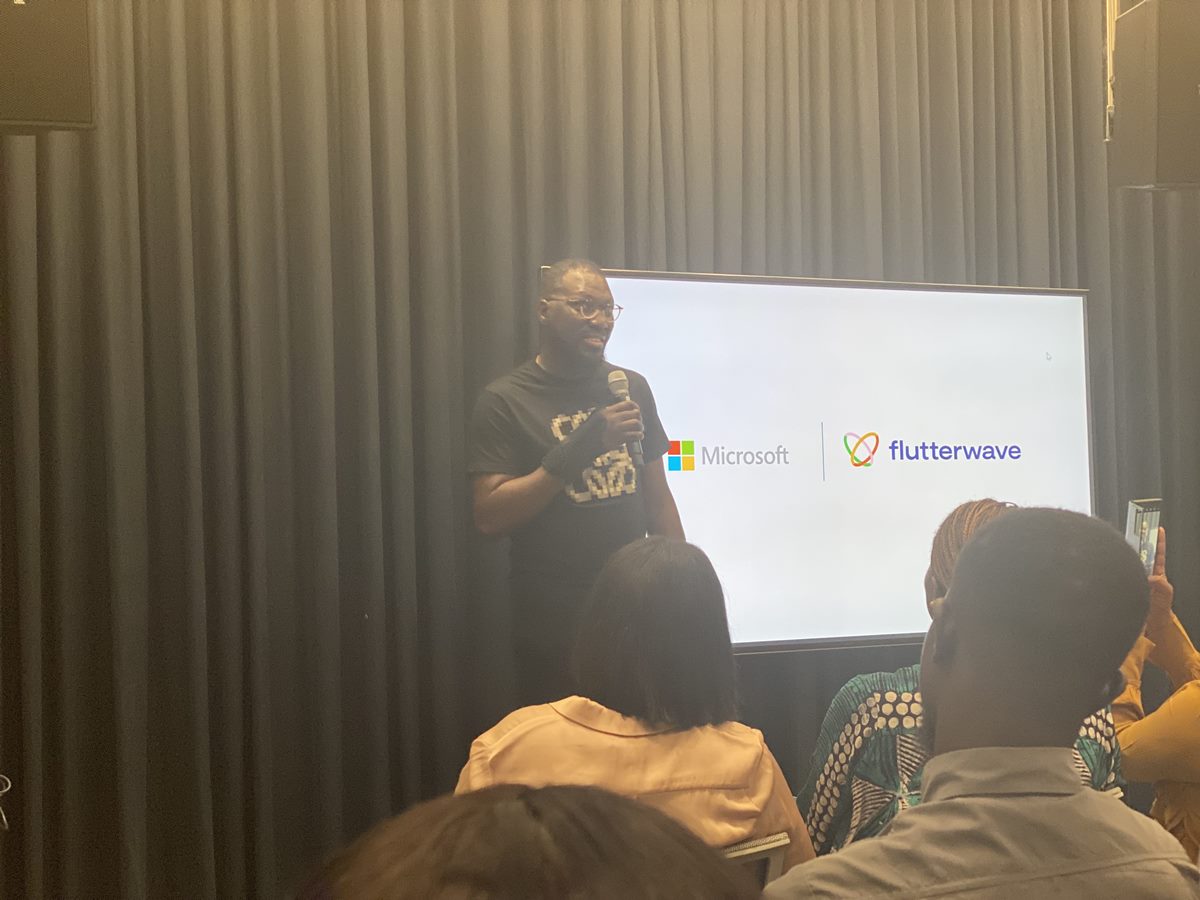
Microsoft and Flutterwave Partner to Drive Payment Innovation and Empower African Businesses

Microsoft and Flutterwave, a leading payments technology company, have joined forces in a five-year strategic technology partnership aimed at revolutionizing payment innovation in Africa. The collaboration will see Flutterwave build its next-generation platform on Microsoft Azure, with the goal of accelerating the growth of small businesses across the continent and promoting financial inclusion. This partnership comes at a crucial time when small and medium-sized enterprises (SMEs) are recognized as vital contributors to Africa’s progress and development.
SMEs play a pivotal role in Africa’s economy, providing employment opportunities for about 90 percent of the continent’s population. These businesses are also at the forefront of innovation, addressing societal challenges and driving progress. However, SMEs face significant obstacles, with research indicating that around five out of seven businesses fail in their first year. Access to financial services and seamless payment methods are among the key challenges faced by these enterprises.According to reports from the African Union Development Agency, approximately 90 percent of transactions in Africa are still cash-based, while nearly half of small businesses lack access to credit. Flutterwave has been dedicated to overcoming these challenges by connecting businesses to financial services and enabling various payment modes, including local and international cards, mobile wallets, and bank transfers. The partnership with Microsoft further strengthens Flutterwave’s mission to democratize payments in Africa and fuel business growth.By transitioning to Microsoft Azure, Flutterwave can process high-volume payments at scale, ensuring a secure and seamless payment experience for its clients. Azure’s advanced capabilities and infrastructure provide the technology foundation needed for Flutterwave to expand and revolutionize payment services across Africa. Additionally, through Azure OpenAI Service, Flutterwave has the opportunity to scale its product offering globally, empowering millions of merchants worldwide.Ola Williams, Country Manager of Microsoft Nigeria, emphasized the importance of digital financial inclusion for sustainable growth in Nigeria and Africa as a whole. Enabling small businesses to participate actively in local and global marketplaces is crucial for building resilience and prosperity. The partnership between Microsoft and Flutterwave aims to provide businesses with the digital financial services they need to not only survive but thrive. Olugbenga ‘GB’ Agboola, Founder and CEO of Flutterwave, expressed excitement about the partnership, highlighting its transformative potential. He emphasized that the collaboration is not just about transactions but about transformation, as Flutterwave and Microsoft work together to create an inclusive digital Africa. The partnership will enable Flutterwave to expand its reach through transactable solutions on Azure Marketplace, including its SMB finance-as-a-service offering, further empowering businesses across the continent.

Microsoft and Flutterwave Partner to Drive Payment Innovation and Empower African Businesses

Microsoft’s strategic technology partnership with Flutterwave marks a significant step toward fast-tracking payment innovation in Africa and empowering small businesses for growth. By leveraging Microsoft Azure’s capabilities, Flutterwave aims to revolutionize payments, address financial inclusion challenges, and connect African businesses to the global stage. This collaboration aligns with Microsoft’s mission to empower individuals and organizations worldwide and holds the key to building stronger economies and a brighter future for Africa.


Source: ITNewsAfrica

South Africa’s Electricity Woes Drive UK Investment in Renewable Energy

In a surprising twist, South Africa’s unreliable electricity supply is attracting significant foreign investment in renewable energy, with the United Kingdom emerging as the leading foreign investor in the sector. The UK’s trade envoy for South Africa and Mauritius, Andrew Selous, recently highlighted the country’s commitment to renewable energy in an interview in Cape Town. Selous emphasized that the challenges faced by South Africa’s state-owned power utility, Eskom, are driving UK commercial and industrial investment into renewable energy in South Africa.

One prominent example of UK investment in renewable energy is through companies like Globaleq, which currently operates two wind farms and six solar farms with a total capacity of 384MW. These projects support approximately 1,300 jobs and are set to expand further. British International Investment, the UK’s development finance institution, owns a majority stake of 70% in Globaleq.

Additionally, the UK’s Solar Century is actively involved in developing, building, owning, and operating solar power plants, including battery storage facilities. Gridworks, another UK company, is contributing to the expansion of the electricity grid capacity in South Africa.

The most significant UK investor in South Africa, according to Selous, is Hive Energy. Hive Energy is constructing a £5-billion green ammonia production plant in the Coega special economic development zone in the Eastern Cape. This facility aims to provide green energy for the maritime shipping industry, which has a substantial carbon footprint. Selous highlighted the potential collaboration between South Africa, which possesses 80% of the world’s platinum group metals, and the UK’s ITM company, which specializes in electrolyzers for hydrogen production. Such a partnership could leverage the expertise of both countries to produce hydrogen and foster a mutually beneficial relationship.

Selous also spoke about Rolls Royce’s ambition to establish South Africa as a hub for its plans to build small modular nuclear reactors across sub-Saharan Africa. This project holds the potential to create numerous jobs and bring technical expertise to the region.

Furthermore, several British companies, including Rio Tinto, are investing in renewable energy to power their operations. Rio Tinto, one of the world’s largest mining companies, is allocating approximately $500 million to renewable energy projects, including solar and wind, to sustain its operations in South Africa.

Selous emphasized the importance of the UK’s trade relationship with South Africa, recognizing it as the most significant trading partnership with Africa. The combined trade between the two countries amounts to R258 billion annually, accounting for a quarter of the UK’s total trade with the entire African continent. UK investment in South Africa stands at R512 billion, representing half of the UK’s total investment in Africa.

Beyond renewable energy, Selous highlighted the active presence of British businesses in South Africa, particularly in Cape Town. Companies like Capita have created thousands of jobs and are expanding their operations, fostering economic growth and providing employment opportunities for young South Africans.

Selous acknowledged the challenges faced by South Africa, such as frequent power outages and infrastructure constraints, including railway and harbor bottlenecks. However, he emphasized the need for a strong government-business partnership and private sector investment to address these issues effectively. Selous expressed his optimism about South Africa’s potential to become a regional global energy superpower, given its abundant natural resources, including ample sunshine, wind, and coastal areas suitable for floating wind and tidal energy generation.

The UK government is also playing a significant role in South Africa’s energy transition through its joint financing, along with other countries, of the Just Energy Transition Partnership (JETP). This initiative supports South Africa’s transition away from coal-fired power generation by investing in renewable energy and ensuring a just transition for coal miners and their communities.

Selous concluded by expressing his confidence in the enduring strength and significance of the trade and investment relationship between the UK and South Africa. He revealed that the UK had invited President Ramaphosa to give the keynote address at its African investment summit, underscoring the commitment to fostering economic ties between the two countries.

As South Africa moves forward with its green economy journey, Selous encouraged greater investment in renewables to avoid potential carbon border adjustment mechanisms and to create a sustainable future. He emphasized that time is of the essence, and urgency is required to attract investors and ensure the success of these initiatives.

With a shared vision for a greener future, the partnership between the UK and South Africa is poised to bring about positive change, economic growth, and job creation in both countries for years to come.


Source: Daily Maverick SA